
How modern traffic control supports large infrastructure projects
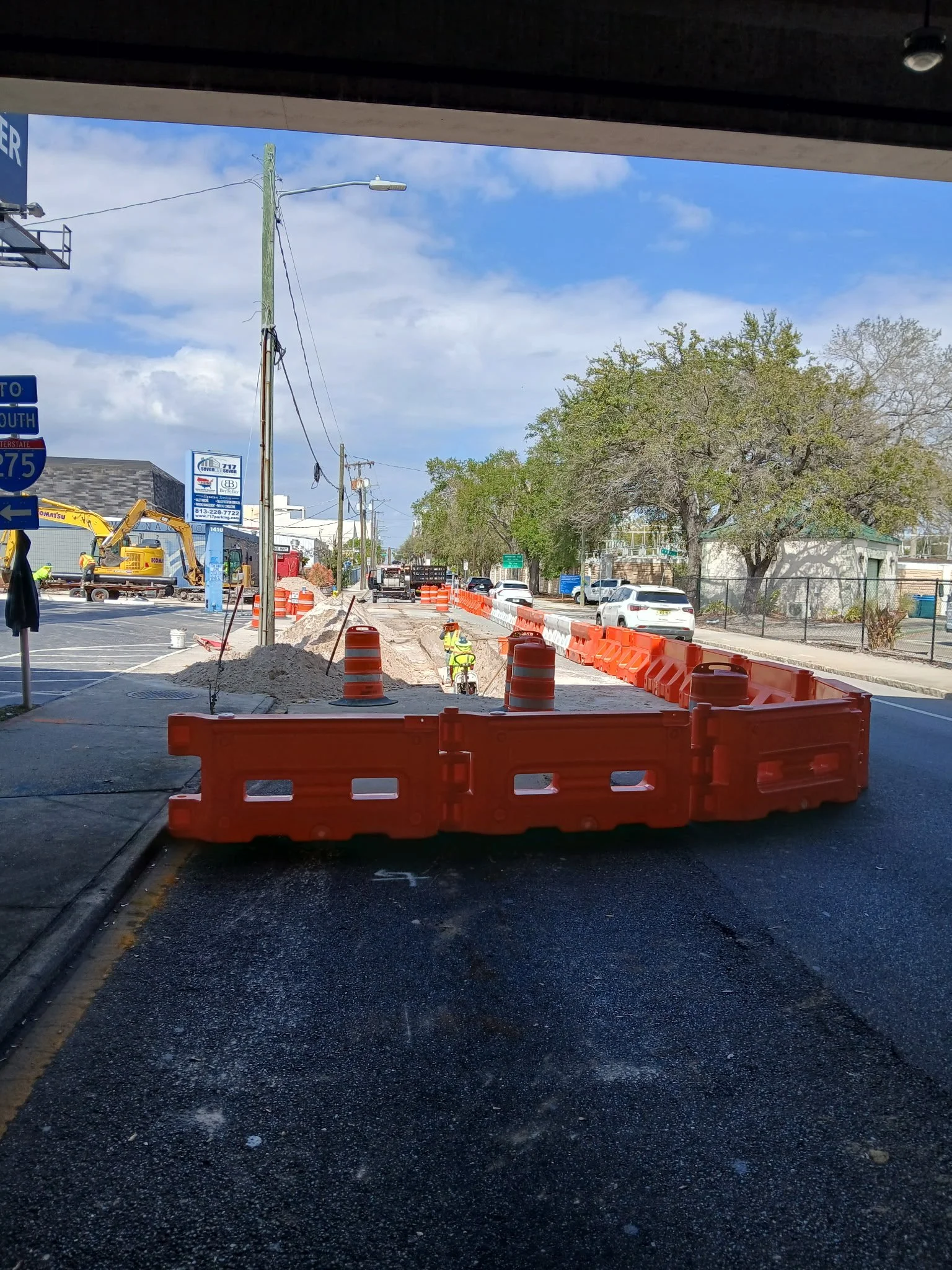
Large infrastructure projects require complex coordination, tight timelines, and constant interaction with public roadways. In this environment, effective traffic control is essential for maintaining order and minimizing risk. Without a structured system in place, construction zones can quickly become areas of congestion, confusion, and potential safety hazards.
Modern traffic control supports large infrastructure projects by combining careful planning, advanced technology, and skilled personnel to keep both construction activities and surrounding traffic moving efficiently.
What is modern traffic control in infrastructure projects?
Modern traffic control is a strategic approach to managing vehicle and pedestrian movement around active work zones. It prioritizes safety, efficiency, and adaptability throughout every phase of a project.
Key elements of modern traffic control systems include:
Temporary traffic control plans tailored to each project phase
Clear signage and road markings for driver awareness
Trained personnel managing real-time traffic conditions
Continuous monitoring and adjustments based on traffic flow
Unlike traditional methods that relied on static setups, modern traffic management in construction uses data, technology, and proactive planning to respond effectively to changing site conditions and evolving traffic patterns in real time.
The role of smart traffic management systems in infrastructure projects
Technology plays a central role in managing traffic during large infrastructure projects. Modern systems use real-time data, automation, and connected tools to make work zones safer and more efficient. The application of smart traffic management systems in infrastructure projects includes:
Real-time monitoring and data-driven decisions
Smart traffic management systems enable teams to monitor traffic conditions in real time and make informed decisions as situations evolve. Live data allows project managers to adjust lane closures, signal timing, and traffic flow strategies to reduce congestion and prevent bottlenecks. This level of responsiveness is especially important in high-traffic areas, where conditions can change rapidly.
Automation and smart work zone technology
Automation minimizes the need for constant manual intervention and helps maintain consistency in traffic control operations. Tools such as automated flagging devices and adaptive signal systems improve accuracy while reducing the risk of human error. These technologies also enhance worker safety by limiting direct exposure to moving traffic.
Connected work zones and communication systems
Modern traffic control systems enable better communication between field teams, equipment, and control centers. Connected work zones allow updates to be shared instantly, keeping everyone involved in the project aligned. This improves coordination and helps teams respond more effectively to unexpected changes.
Predictive traffic analysis and planning
Advanced systems analyze historical and real-time data to anticipate traffic patterns and potential disruptions. This allows teams to optimize detours and strengthen traffic control planning at construction sites.
Improving safety and efficiency through technology
Technology-driven systems provide better visibility, faster response times, and improved coordination across project teams. By combining monitoring, automation, and predictive insights, these systems help reduce accidents, improve traffic flow, and support smoother project execution.
Enhanced visibility and driver awareness
Digital message boards, smart signage, and alert systems provide clear and timely information to drivers. This reduces confusion, improves compliance, and promotes safer driving behavior through construction zones.
Integration with broader infrastructure systems
In many large-scale projects, traffic control systems are integrated with city or regional traffic networks. This enables better synchronization with surrounding roads, signals, and transit systems, creating a more seamless traffic experience.
How traffic control supports efficiency in infrastructure development
Effective traffic control plays a key role in keeping large infrastructure projects organized, on schedule, and running smoothly. It contributes in the following ways:
Minimizing downtime: Effective planning prevents traffic issues from disrupting construction timelines.
Coordinating work zones: Traffic control keeps multiple active areas organized and running smoothly.
Improving team communication: Clear systems enable field teams and managers to stay aligned and respond quickly to changes.
Maintaining steady traffic flow: Well-managed movement reduces congestion and keeps surrounding roads functional.
Supporting faster project progress: Efficient traffic control helps crews work without interruptions, speeding up completion.
How professional traffic control supports project success
Effective traffic control for road construction and other large infrastructure projects is essential to keeping projects on track. It supports safe operations, maintains consistent traffic flow, and helps construction activities run efficiently from start to finish. In many large-scale projects, this level of coordination is managed by experienced traffic control providers such as Right Traffic.
Frequently asked questions
Why is traffic control important during large infrastructure construction?
Traffic control is important because it helps protect workers and the public while maintaining organized traffic flow. It prevents accidents, reduces congestion, and supports smooth project execution in complex construction environments.
What role does traffic control play in large road construction projects?
Traffic control plays a key role in organizing vehicle movement, managing lane closures, and guiding drivers safely through work zones, helping road construction traffic control projects run efficiently with minimal disruption.
How do smart traffic management systems support large infrastructure projects?
Smart traffic management systems provide real-time insights into traffic conditions, allowing teams to make quick adjustments. This improves safety, reduces congestion, and enhances overall efficiency throughout the project.
How does construction site traffic control improve safety for workers and drivers?
Construction site traffic control improves safety by separating active work zones from moving traffic, reducing the risk of accidents. It uses signage, barriers, and trained personnel to guide vehicles safely through or around construction areas.
What technologies are commonly used in modern traffic control systems?
Modern traffic control systems use tools such as smart signals, real-time monitoring sensors, digital message boards, and predictive traffic analysis. These technologies help improve decision-making, reduce congestion, and enhance overall project efficiency.
