
What contractors need to know regarding traffic control in Florida
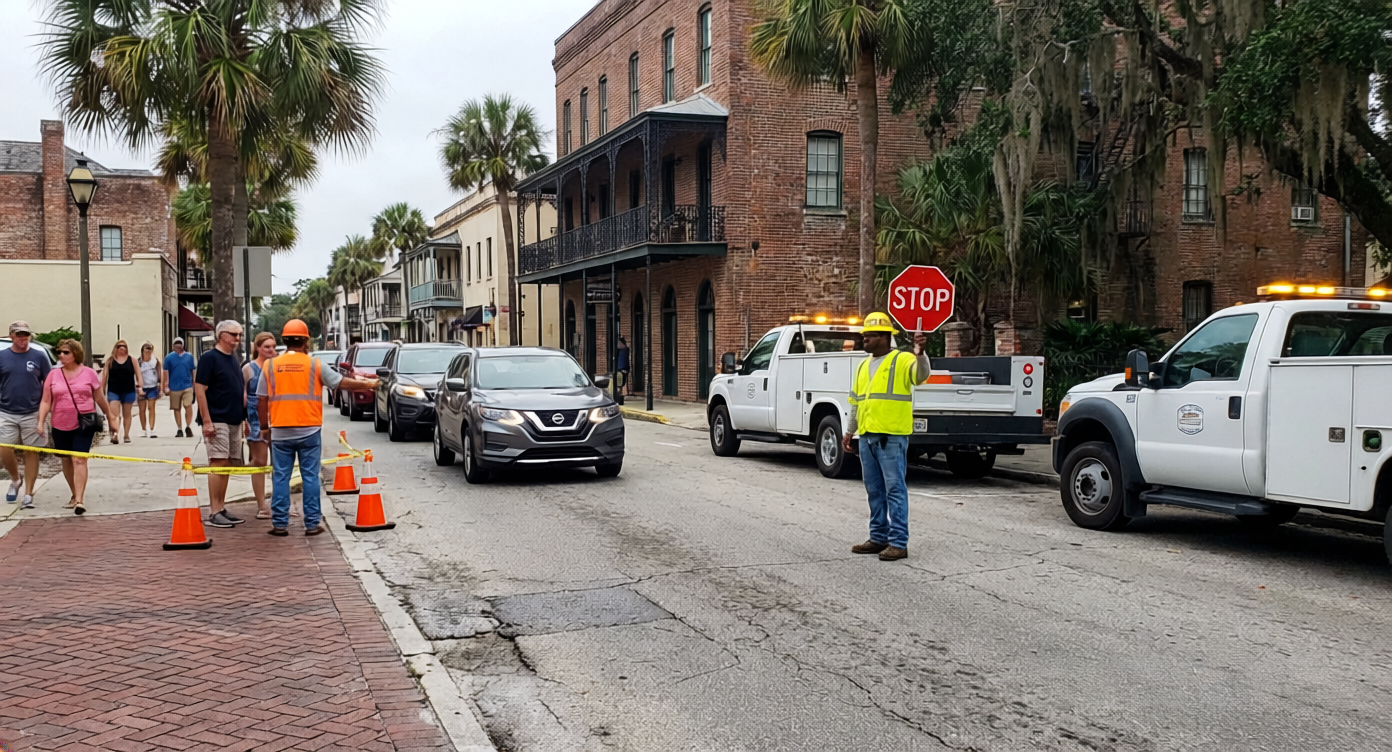
Traffic control operations in Florida are critical to construction and roadway projects, ensuring safety, maintaining traffic flow, and keeping job sites compliant with state requirements. For contractors, understanding how traffic control works is essential before beginning any project that affects public roads.
Because Florida has some of the busiest highways and fastest-growing infrastructure zones in the country, proper traffic control planning for construction projects directly impacts safety, approvals, and project timelines. Without it, even small work zones can create serious risks for both workers and drivers.
Why traffic control is essential for construction projects in Florida
In Florida, traffic control is a structured system designed to protect workers, guide drivers safely, and reduce congestion in active construction areas.
Effective traffic control for construction projects enables vehicles to move through or around work zones without confusion or abrupt maneuvers. This is especially important in high-traffic regions, where limited reaction time increases the risk of accidents.
For contractors, well-planned traffic control reduces the likelihood of incidents, improves efficiency, and helps prevent costly project delays caused by unsafe or poorly managed work zones.
Florida traffic control regulations that contractors must follow
Every contractor working on public roads in Florida must follow established traffic control regulations designed to maintain safe and consistent work zones across the state.
These requirements are based on nationally recognized traffic safety standards along with rules enforced by the Florida Department of Transportation. Together, they define the legal framework that governs the planning and execution of temporary traffic control.
Compliance covers overall safety expectations, including proper work zone setup, traffic control, and protection for workers and road users. If these requirements are not followed, projects may face penalties, delays, or stop-work orders, depending on the severity of the violation.
Because these regulations form the foundation of every roadway project, contractors must always align their planning with approved Florida DOT traffic control guidelines before any work begins.
FDOT traffic control standards and compliance requirements
FDOT traffic control standards focus on the technical design and field implementation of work zone setups across Florida.
These standards define exactly how traffic control plans should be executed on site, including engineering details such as:
Safe separation distances between live traffic and work activity
Required spacing, visibility, and placement of signage
Lane closure taper designs based on speed and roadway type
Approved flagging operations and traffic control methods
Unlike general regulations, these standards are used directly in the field to guide crews in setting up and maintaining active work zones.
With these regulations and standards in place, the next step is understanding how they are applied during project planning.
What is included in traffic control planning for road projects
Traffic control planning is a key step in any roadway project and outlines exactly how traffic will be managed before, during, and after construction.
In most cases, traffic control planning for road construction includes detailed diagrams that show detours, lane shifts, and signage placement. These plans are designed to keep vehicles and pedestrians safe while maintaining steady traffic flow.
In highway construction projects, traffic control planning also takes into account vehicle speed, road capacity, and the expected duration of work to help minimize disruption as much as possible.
A properly designed plan is required before any work can begin, and it must be reviewed and approved by the appropriate authorities.
Common challenges in highway and road construction zones
In Florida, highway work zones pose unique challenges because many projects occur on high-speed roads with heavy traffic.
One of the biggest challenges is maintaining safety while keeping traffic moving efficiently. Drivers may not always recognize lane shifts or temporary signage, which can lead to confusion or sudden braking.
The weather is another major factor. Heavy rain, flooding, and hurricanes can quickly change road conditions and force adjustments in traffic control setups. Urban areas also add complexity due to limited space and constant congestion.
Contractors must plan for these challenges early to avoid disruptions and maintain safe working conditions throughout the project.
Why professional traffic control support matters
Professional traffic control providers play an important role in helping contractors stay compliant and efficient on active job sites.
Experienced teams understand how to implement setups that meet FDOT traffic control standards while also adapting to real-world site conditions. This reduces the risk of mistakes that could lead to safety issues or regulatory penalties.
Right Traffic works with contractors to provide trained personnel, approved traffic control systems, and field support so every setup is executed correctly and safely.
Types of traffic control services used in Florida projects
Most construction projects require multiple types of traffic control depending on size, location, and risk level.
Common services include flagging operations for active lane management, temporary detours for rerouting traffic, and full lane closures for major construction work.
Equipment such as cones, barricades, arrow boards, and message signs is also commonly used to guide drivers safely through work zones.
These tools and services ensure that traffic control for construction remains consistent and effective throughout the entire project lifecycle.
Cost factors contractors should consider
The cost of traffic control operations in Florida depends on several factors, including project size, road type, traffic volume, and duration of work.
Highway projects typically require more resources due to higher speeds and greater safety requirements. Longer projects may also require ongoing adjustments to traffic setups, which can increase overall costs.
Understanding these variables early allows contractors to budget more accurately and avoid unexpected expenses during project execution.
How traffic control improves safety and efficiency
Proper traffic control directly impacts both safety and productivity on construction sites.
When work zones are clearly marked and well organized, drivers can navigate safely without hesitation, and workers can perform tasks without unnecessary exposure to traffic hazards.
It also reduces the likelihood of accidents, which can cause major delays, increase costs, and impact project deadlines. In many cases, well-planned traffic control improves overall project efficiency and reduces downtime.
Conclusion
Traffic control in Florida is a vital part of any construction or roadway project and requires careful planning, a thorough understanding of regulations, and proper execution.
When contractors follow state requirements and work with experienced traffic control providers, they can improve safety, maintain compliance, and keep projects on schedule with fewer disruptions.
Frequently asked questions
What are the basic traffic control requirements for construction zones in Florida?
Construction zones must follow approved traffic control plans that include proper signage, lane closures, and safety buffers. These requirements ensure drivers and workers remain protected throughout the project.
Are there specific work zone safety regulations contractors must follow in Florida?
Yes, contractors must follow Florida DOT traffic control guidelines and FDOT traffic control standards, which define how work zones must be designed, signed, and maintained to ensure safety and compliance.
Why is traffic control important for construction projects?
It helps reduce accidents, improves traffic flow, and ensures construction activities do not create unnecessary risks for workers, drivers, or pedestrians.
Who approves traffic control plans in Florida?
Traffic control plans are typically reviewed by local authorities and the Florida Department of Transportation, depending on the project type and roadway jurisdiction.
When should contractors plan traffic control for a project?
Traffic control should be planned during the early stages of project development to ensure compliance, proper permitting, and efficient execution once construction begins.
