
When to use barricades and cones in traffic control
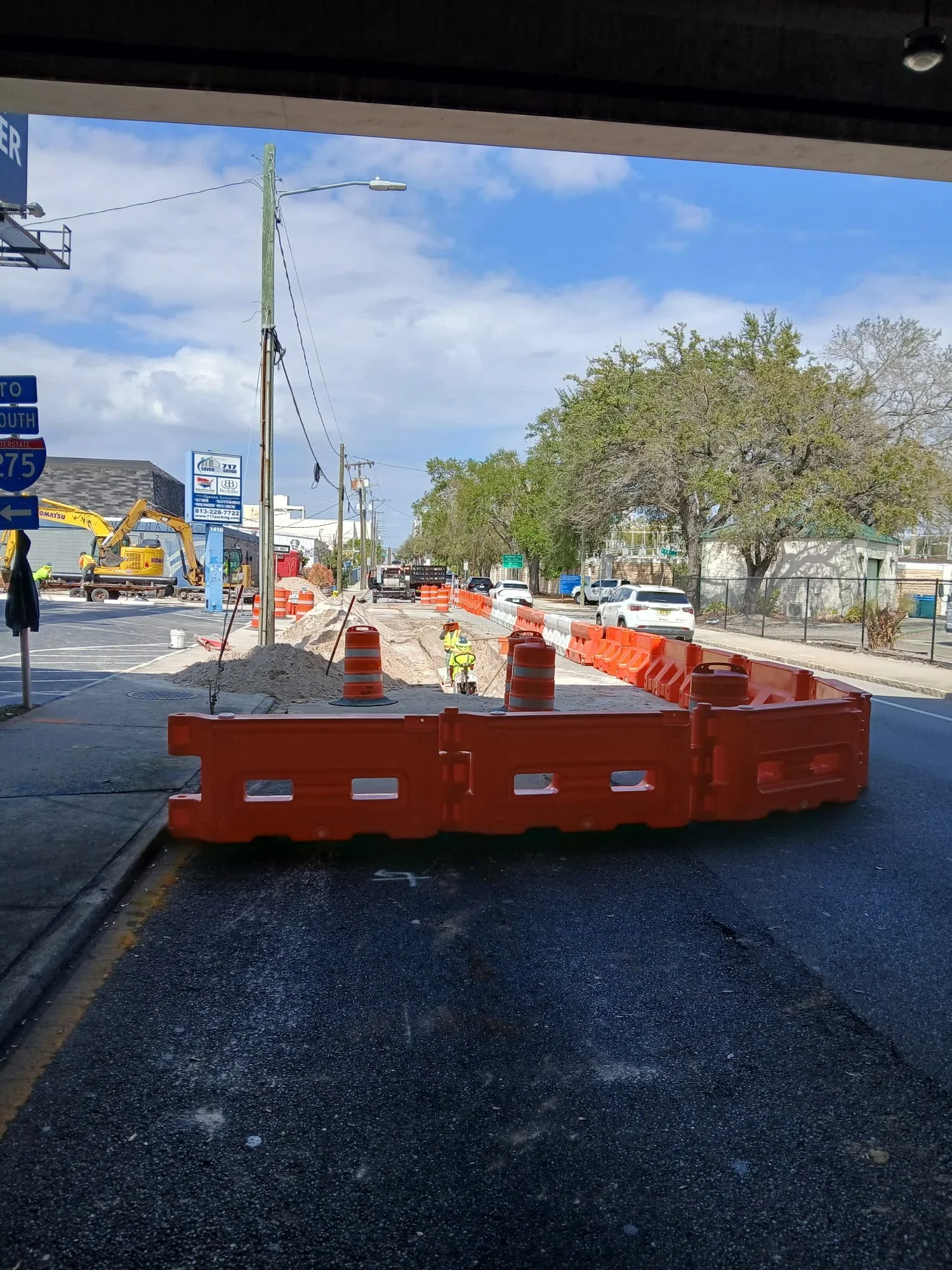
Construction zones, road maintenance projects, utility work, emergency response areas, and public events all require clear guidance for drivers and pedestrians.
Traffic control equipment helps reduce confusion, protect workers, and maintain safe movement through changing road conditions. Choosing the right device at the right time plays a major role in keeping a work zone organized and compliant with safety standards.
Traffic control cones and barricades are among the most widely used tools in temporary traffic management. While both support roadway safety, each serves a different purpose based on visibility needs, traffic patterns, project duration, and the level of restriction required.
Understanding where and when to use each device helps contractors, municipalities, and traffic control teams create safer environments for everyone on the road.
Understanding the role of traffic cones and barricades
Before diving into specific use cases, it helps to understand what each device is designed to do.
What are traffic cones?
Traffic control cones are lightweight, cone-shaped devices typically made from rubber or PVC. They come in various heights, usually ranging from 12 to 36 inches, and are recognized by their bright orange color and reflective banding.
They're portable, easy to stack, and quick to deploy, making them a go-to choice for short-duration situations where fast setup is important.
What are barricades?
Traffic control barricades are sturdier, larger structures used to physically block or channel traffic. They come in several types, including Type I, Type II, and Type III barricades, each designed for different levels of visibility and traffic control needs.
Barricades are better suited for extended work zones, road closures, and situations where a more defined physical barrier is required.
When to use traffic cones
Cones work best in temporary, low- to medium-risk situations where visibility needs to be established quickly. Here are some of the most common scenarios where traffic cones are effective:
Short-term lane closures
If a lane needs to be temporarily closed for a few hours due to a utility repair, pothole patching, or minor road maintenance, cones are ideal. They can be placed and repositioned fast without requiring heavy equipment or a large crew.
Guiding traffic around hazards
Cones are commonly used to guide drivers around hazards such as downed trees, road debris, broken water mains, or minor vehicle accidents. They create a clear visual path that directs drivers where to go without completely stopping the flow of traffic.
Parking lot management
Cones are widely used in parking lots during events, construction, or resurfacing projects to reserve spaces, redirect drivers, and separate pedestrian walkways from vehicle traffic. Their lightweight design makes them easy to move as conditions change throughout the day.
Sporting events and community gatherings
Races, marathons, school events, and festivals regularly rely on cones to set boundaries, mark routes, and separate participants from vehicles. Since setup time is often limited at events, cones allow crews to get things in place fast.
When are barricades the right choice?
Barricades serve a different function than cones. They are designed for situations that require a higher level of physical separation, greater visibility, or longer deployment periods.
Extended construction zones
When a construction project is expected to last for days, weeks, or months, barricades provide the durability and visual presence that cones cannot match. They withstand weather, vehicle vibration, and repeated contact, making them a reliable long-term traffic control solution.
Full road closures
When a road needs to be fully closed to through-traffic, barricades are the standard choice.
Type III barricades, in particular, are designed for high-visibility full closures and can be outfitted with warning lights for nighttime use. They send a clear message to drivers that the road ahead is not passable.
Protecting workers in high-speed zones
In highway or freeway work zones where traffic is moving at high speeds, barricades provide a more substantial visual and physical barrier. They're harder to miss and less likely to be displaced by passing vehicles.
Pedestrian safety perimeters
Around building demolitions, sidewalk closures, or excavation sites in urban areas, barricades create secure perimeters that help keep pedestrians away from hazardous zones. They are also more difficult to accidentally knock over or walk through than cones.
Combining cones and barricades for safer traffic control
In many real-world traffic control setups, traffic cones and barricades are deployed together. Barricades might mark the beginning and end of a work zone, while cones line the taper and channelize traffic through narrower passages.
Using both devices strategically creates a layered safety approach that improves visibility, directs traffic flow, and provides physical separation.
For example, a utility crew repairing a gas line on a busy city street might set up barricades at each end of the closed block and use cones to taper traffic into a single lane approaching the work area.
This combination gives drivers a clear warning while guiding them safely past the hazard.
The importance of regulations and compliance
All temporary traffic control devices used on public roads in North America must comply with the Manual on Uniform Traffic Control Devices (MUTCD), published by the Federal Highway Administration.
The MUTCD outlines where, when, and how cones and barricades should be placed based on road type, speed limits, and the nature of the work being done.
Before deploying any traffic control setup, make sure your traffic control plan meets all local and federal requirements. Failing to follow these standards can result in fines, liability issues, and, most importantly, increased risk to workers and the public.
Traffic control companies such as Right Traffic support construction projects, roadwork operations, and event traffic management with compliant traffic control solutions designed for changing roadway conditions.
Proper planning, equipment selection, and setup coordination help create safer environments for workers, drivers, and pedestrians in active work zones.
Cones vs. barricades: Choosing the right equipment for the job
Selecting the appropriate traffic control equipment depends on the specific needs of the project:
Use cones when the setup is short-term, the area involves low- to medium-risk traffic conditions, and portability is important.
Use barricades when you need long-term placement, full road closures, protection in high-speed zones, or secure pedestrian perimeters.
Use both when a layered approach is needed to combine clear warnings with effective traffic channelization.
Before beginning any project, the traffic control company should evaluate roadway conditions, project timelines, traffic volume, and public access points. The right setup helps reduce accidents, improve efficiency, and create a safer environment for everyone near the work zone.
Effective traffic control planning requires the proper balance of visibility, durability, and adaptability. Using the right devices in the appropriate locations supports safer roadways and more organized project operations.
Right Traffic offers a full range of traffic control solutions, including cones, barricades, and everything in between. If you're unsure what your job site needs, our team is ready to help you build a plan that keeps everyone safe.
Frequently asked questions
When should traffic cones be used?
Traffic cones are best used in short-term situations where quick setup and portability are priorities. Common applications include temporary lane closures, parking lot management, event crowd control, and guiding traffic around hazards.
When are barricades required in traffic control?
Barricades are typically required when a road or lane needs to be closed for an extended period, when workers are operating in high-speed zones, when a secure pedestrian perimeter is needed, or when a full road closure must be clearly communicated to drivers.
Can traffic cones and barricades be used together?
Absolutely. In many traffic control setups, both devices are used together. Barricades typically mark the start and end of a closure, while cones handle channelization through the work zone.
Why are reflective materials important on traffic control devices?
Reflective materials improve visibility during nighttime operations and poor weather conditions, helping drivers identify work zones earlier and respond more safely.
How do traffic control devices improve work zone safety?
Traffic control devices guide vehicles and pedestrians safely around hazards, reduce confusion near construction areas, and help separate workers from moving traffic.
What should be considered before setting up a traffic control zone?
Factors such as vehicle speed, traffic volume, project duration, visibility, weather conditions, and pedestrian activity should all be considered before installing traffic control equipment.
