
6 Common construction zone safety violations and how to avoid them
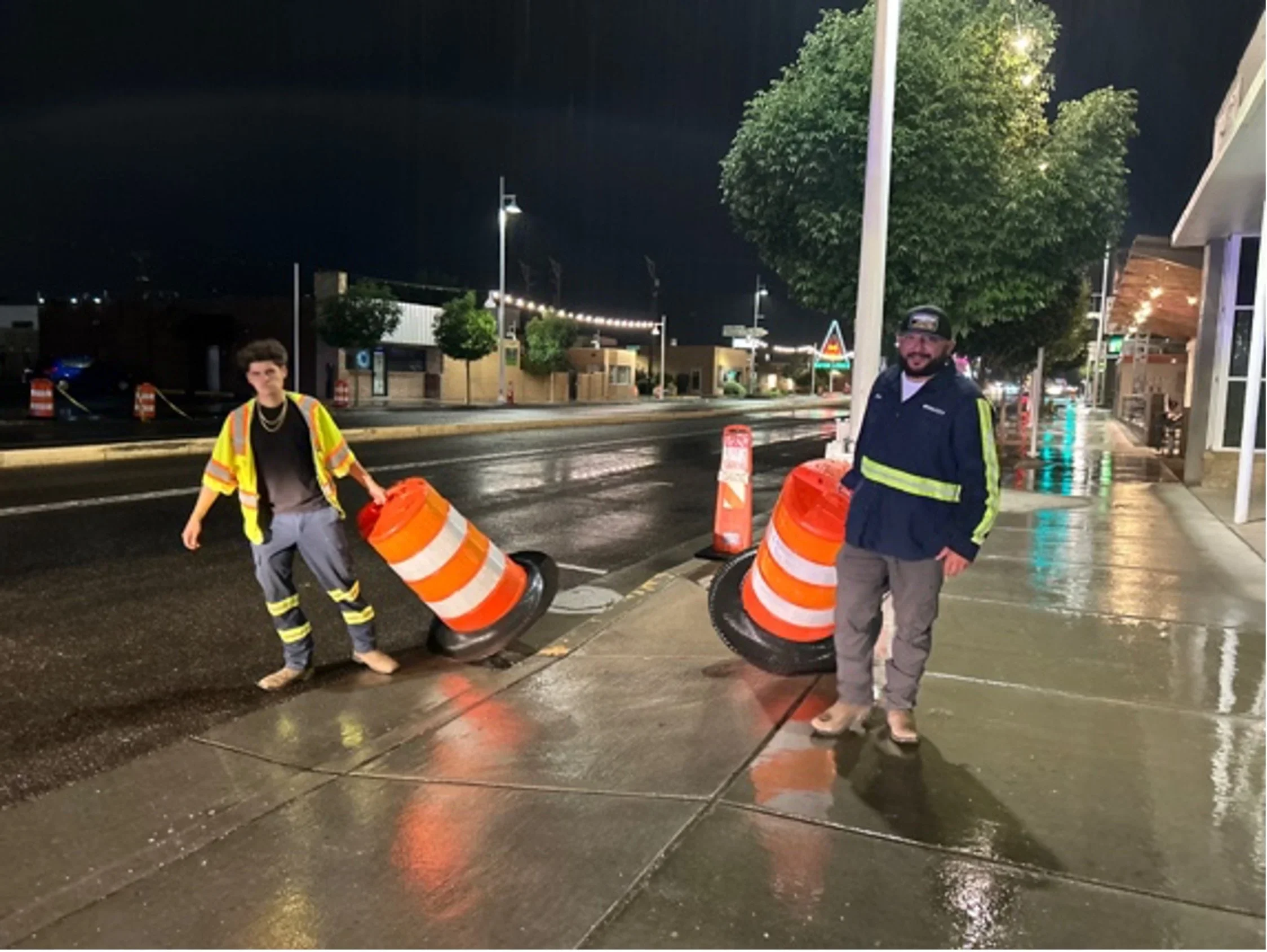
Every year, hundreds of people lose their lives in work zones across North America. In 2024 alone, approximately 850 people were killed in traffic incidents in these areas, with nearly 20% of the victims being pedestrians, construction workers, maintenance workers, or utility workers.
Whether you're a driver traveling through a work zone or a contractor responsible for managing one, understanding the most common construction site safety violations can help reduce risks, improve compliance, and, most importantly, save lives.
Why construction zone violations carry serious consequences
Construction zones are dynamic work environments where flaggers, equipment operators, and laborers often work just feet away from moving traffic. Without proper traffic control measures in place, even minor mistakes can put both workers and road users at risk.
To help maintain safety, all traffic control setups in federally funded work zones must comply with the Manual on Uniform Traffic Control Devices (MUTCD). These standards govern everything from sign placement and spacing to flagger positioning.
Failure to meet MUTCD requirements is a serious construction safety compliance violation that can significantly increase the risk of accidents, injuries, and project delays.
The most common construction traffic control violations
The following violations are among the most frequently observed causes of work zone incidents, compliance issues, and project disruptions.
Speed limit violations in active work zones
Reduced speed limits are put in place to protect workers and motorists. Failing to follow them remains one of the most common safety violations in active work zones.
Ignoring lane closure signs and merging late
Lane closure signs provide advance notice of changing traffic conditions. Drivers who merge at the last moment can increase the risk of congestion and collisions.
Failing to obey flaggers or AFADs
Flaggers and Automated Flagger Assistance Devices (AFADs) help maintain safe traffic flow through work zones. Ignoring their instructions can create serious safety hazards.
Distracted driving in work zones
Construction zones require drivers to pay close attention to changing conditions. Any distraction can reduce reaction times and increase the likelihood of an incident.
Tailgating and unsafe following distances
Following too closely leaves little room to react to sudden stops, lane shifts, or unexpected hazards commonly found in work zones.
Non-compliant traffic control plan setups
Improper sign placement, inadequate taper lengths, and missing traffic control devices can compromise work zone safety and create compliance issues.
Blocking emergency vehicle access
Work zones must maintain clear routes for emergency responders. Obstructed access can delay response times and increase safety risks.
Who is responsible for work zone traffic safety compliance?
Work zone safety is a shared responsibility. Drivers, contractors, and traffic control providers all play a role in creating a safer environment for workers and road users.
Drivers must follow posted signs, obey flaggers, reduce speed, and stay focused while traveling through work zones.
Contractors and project managers are responsible for implementing compliant traffic control plans, maintaining traffic control devices, and ensuring workers receive proper training.
Traffic control companies help ensure work zones meet MUTCD requirements through proper setup, certified flagger services, and ongoing adjustments as site conditions change.
When everyone fulfills their responsibilities, work zones become safer, more efficient, and better equipped to protect both workers and the traveling public.
A practical checklist for avoiding construction zone safety violations
For drivers
Begin reducing your speed before entering the work zone and follow all posted speed limits.
Merge as soon as lane closure signs direct you to do so, rather than waiting until the last moment.
Put away distractions, including mobile devices, and stay alert to changing traffic conditions.
Follow all instructions from flaggers and AFADs to help maintain a safe flow of traffic.
Leave extra space between your vehicle and the one ahead to allow for sudden stops or lane shifts.
For contractors and project managers
Work with a certified traffic control provider to develop and implement a compliant traffic control plan (TCP).
Regularly inspect signs, cones, barriers, and other traffic control devices to ensure they remain effective.
Review and update traffic control measures whenever site conditions or traffic patterns change.
Consider using AFADs in high-risk areas to improve consistency and reduce worker exposure to traffic.
Ensure emergency vehicles can safely access and move through the work zone at all times.
Following these best practices can help reduce violations, improve compliance, and create a safer environment for workers and road users alike.
How technology helps prevent work zone safety violations
Modern traffic control technology helps address many of the most common work zone safety challenges, including speeding, driver confusion, and worker exposure to live traffic.
Real-time speed display signs, such as the Guardian Smart Sign, provide instant feedback to approaching drivers, encouraging them to slow down and comply with posted speed limits.
Automated Flagger Assistance Devices (AFADs), including the Guardian SmartFlagger, allow traffic to be controlled remotely, reducing the need for workers to stand near moving vehicles.
Connected traffic control devices, such as Guardian Cone Pro, enable contractors to monitor traffic control equipment remotely and respond quickly as site conditions change.
Smart traffic control technologies support MUTCD compliance by helping ensure traffic management measures remain visible, effective, and responsive throughout the project.
As work zones become more complex, technology is helping contractors improve safety while maintaining efficient traffic flow.
How Right Traffic supports construction zone safety compliance
Right Traffic provides traffic control management services backed by certified professionals and industry-leading technology.
Our team designs MUTCD-compliant traffic control plans tailored to the specific requirements of each project, whether it's a short-term utility repair or a multi-lane highway construction project. We provide trained flaggers, AFADs, portable speed displays, and full equipment rental services to help contractors maintain safe and compliant work zones.
If your project requires a traffic control solution that meets state and federal standards while helping protect workers and motorists, contact Right Traffic for a quote.
Frequently asked questions
How can work zone traffic control reduce accidents?
Effective traffic control reduces accidents by guiding drivers safely through work zones, managing speeds, and providing clear instructions through signs, flaggers, or AFADs.
How do you improve construction zone safety?
Drivers should slow down, stay alert, and follow all work zone instructions. Contractors should use compliant traffic control plans, proper signage, and trained personnel.
What is MUTCD compliance, and why does it matter?
MUTCD compliance means following national standards for work zone traffic control. It helps improve safety, reduce liability, and ensure regulatory compliance.
What is a traffic control plan, and who is responsible for it?
A traffic control plan outlines how traffic will be safely managed around a work zone. Contractors and project owners are responsible for implementing and maintaining it.
What is an automated flagger assistance device (AFAD)?
An AFAD is a traffic control device that manages alternating traffic flow using automated signals, helping improve safety by reducing worker exposure to live traffic.
Can a contractor be fined for traffic control violations on their job site?
Yes. Non-compliant work zones can result in fines, stop-work orders, and potential liability if unsafe conditions contribute to an incident.
