
Optimize your road construction projects with professional traffic control solutions
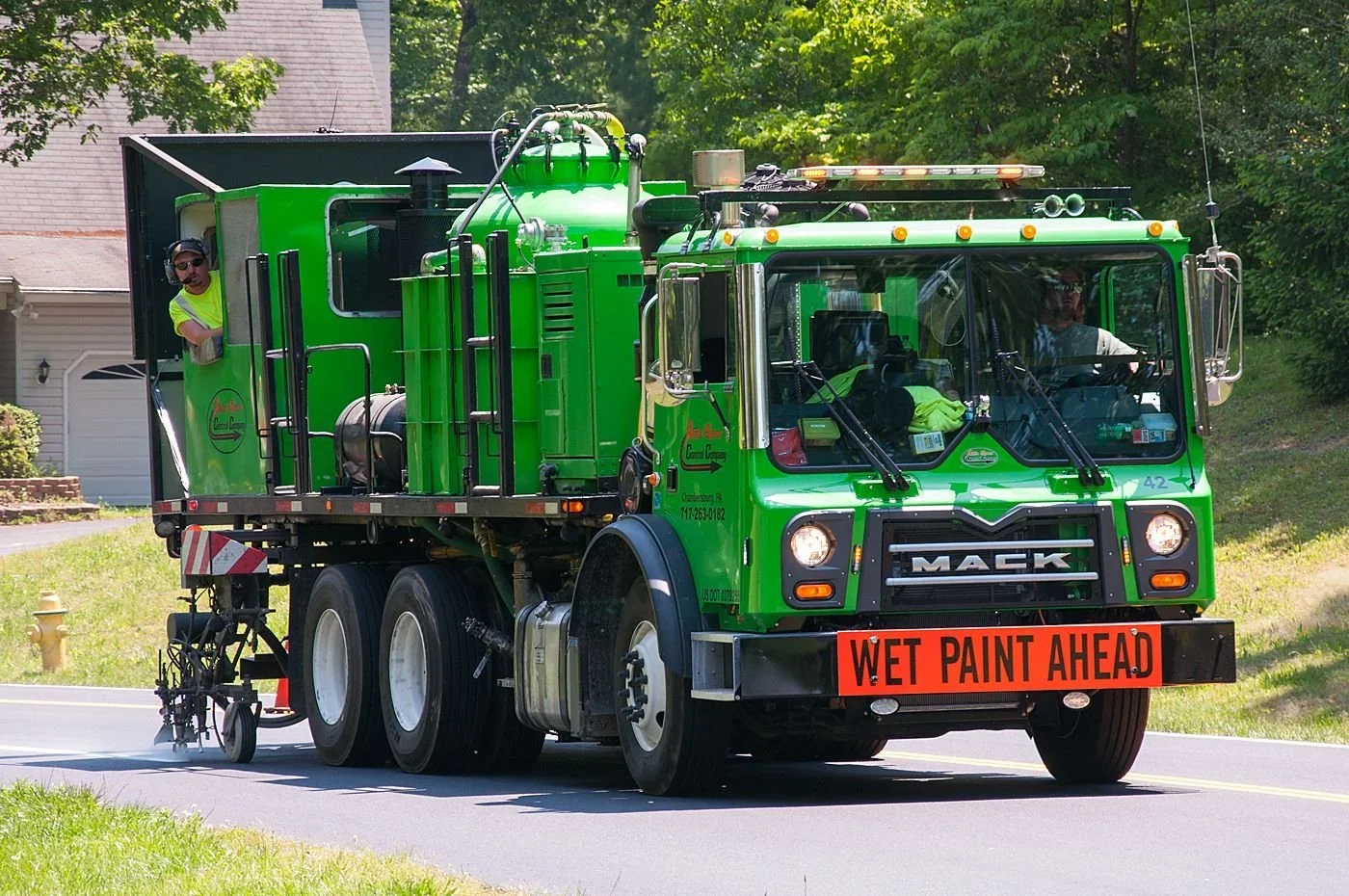
Road construction projects are vital for maintaining and improving transportation infrastructure, but they often come with significant operational challenges. From managing heavy traffic volumes to ensuring worker safety and minimizing public inconvenience, contractors must balance multiple priorities at once. Delays, accidents, and inefficiencies can quickly escalate costs and impact project timelines.
One of the most effective ways to overcome these challenges is by implementing traffic control solutions. A well-executed strategy helps maintain order in high-risk environments while allowing construction activities to progress without unnecessary interruptions.
Companies like Right Traffic specialize in delivering tailored strategies that help contractors maintain productivity while prioritizing safety.
What are professional traffic control solutions?
Professional traffic control solutions refer to specialized services that manage and direct vehicle and pedestrian movement around construction zones. These services are designed to improve safety, maintain traffic flow, and ensure compliance with regulatory standards throughout the project lifecycle.
In road construction, traffic control solutions combine expert planning, on-site execution, and the use of appropriate equipment to create a safe and well-organized work environment.
Key components of these services include:
● The development and implementation of traffic control plans tailored to project requirements
● The deployment of signage, cones, barriers, and temporary signals to guide traffic effectively
● The provision of certified traffic controllers and flaggers to manage real-time traffic conditions
These are not one-time setups but ongoing services that adapt to changing site conditions, traffic volumes, and project phases. A professional approach ensures continuous monitoring, coordination, and adjustment to keep both workers and road users safe while maintaining operational efficiency.
Why is traffic control essential for road construction projects?
Ensuring worker and public safety
Safety is the top priority in any construction project. Workers operate in close proximity to moving vehicles, which creates a high-risk environment. At the same time, drivers may face sudden changes such as lane closures or detours.
Traffic control safety services help establish clear boundaries, provide visible guidance, and reduce confusion. This significantly lowers the chances of accidents, protecting both workers and the public.
Maintaining smooth traffic flow
Unmanaged construction zones can quickly lead to congestion and frustration for road users. Traffic backups not only inconvenience drivers but can also disrupt surrounding areas.
By implementing structured traffic control measures, contractors can prevent bottlenecks and ensure consistent vehicle movement. Efficient detours and lane management strategies keep traffic flowing even during peak hours.
Meeting regulatory compliance
Construction projects must comply with strict safety regulations and standards. Failure to meet these requirements can result in penalties, legal issues, or project shutdowns.
A properly designed construction traffic management plan ensures that all necessary guidelines are followed. This includes correct signage placement, proper lane markings, and adherence to safety protocols.
Minimizing project delays
Delays are one of the most costly challenges in road construction. Poor traffic management can slow down operations, create confusion, and lead to unexpected disruptions.
Effective traffic control ensures that construction teams can work efficiently without frequent interruptions. This helps keep the project on schedule and reduces downtime.
Key traffic control solutions that optimize road projects
Traffic control plans
Traffic control plans are the foundation of any successful strategy. These plans are customized based on the project’s scope, location, and traffic conditions.
They include detailed instructions on detours, lane closures, speed limits, and safety measures. A well-developed plan ensures that every phase of the project is executed smoothly.
Temporary traffic devices
Temporary devices play a crucial role in guiding traffic through construction zones. These include cones, barricades, signage, and electronic message boards.
They provide clear visual cues that help drivers navigate safely. Proper placement and maintenance of these devices are essential for effectiveness.
Automated and smart traffic systems
Technology is transforming how traffic is managed in construction zones. Portable traffic signals and automated flagging systems, such as Guardian SmartFlagger, Guardian Smart Sign, and Guardian Cone Pro, enable more precise control of traffic flow.
Real-time monitoring allows for quick adjustments based on changing traffic conditions, improving efficiency while reducing the need for manual intervention.
Skilled traffic control personnel
Trained professionals are at the core of effective traffic control. They manage on-site operations, coordinate with construction teams, and respond to unexpected situations.
Their expertise ensures that traffic continues to move safely, even in complex or high-pressure environments.
How is technology transforming traffic control?
Modern traffic control is increasingly driven by innovation. Advanced tools and systems are making it easier to manage complex construction environments.
Smart traffic management systems use sensors and data to monitor traffic flow in real time, while automated solutions reduce reliance on manual processes and improve accuracy. Remote-controlled systems and portable technologies add flexibility, allowing teams to adapt quickly to changing conditions.
Together, these advancements are helping contractors achieve higher levels of efficiency and safety.
Benefits of hiring professional traffic control services
Improved project efficiency
When traffic is managed effectively, construction crews can work without unnecessary interruptions, leading to faster completion times and better use of resources.
Professional traffic control services provide the expertise needed to streamline operations and keep projects on schedule.
Reduced risk and liability
Accidents in construction zones can lead to serious consequences, including injuries, legal claims, and financial losses. Proper traffic control minimizes these risks by creating a safer environment for everyone involved.
Enhanced public experience
Road users are more likely to cooperate and follow instructions when traffic control measures are clear and well-organized. This reduces frustration and improves overall public perception of the project.
Cost savings
Delays, accidents, and inefficiencies can significantly increase project costs. By preventing these issues, effective traffic control helps contractors stay within budget.
Choosing a reliable traffic control partner
Selecting the right partner is essential to the success of any project. Not all providers offer the same level of expertise or reliability.
Key factors to consider include:
● Proven industry experience
● Strong understanding of compliance requirements
● Ability to scale solutions for different project sizes
● Use of modern tools and technologies
Right Traffic stands out for its customized solutions, strong safety focus, and commitment to delivering consistent results. Our expertise ensures that each project is handled with precision and professionalism.
Best practices for optimizing road construction with traffic control
To maximize the benefits of traffic control, contractors should follow a set of best practices:
● Begin planning early to avoid last-minute challenges
● Maintain clear communication with all stakeholders
● Continuously monitor traffic conditions and adjust strategies as needed
● Use data and technology to make informed decisions
These practices help create a more efficient and controlled work environment, reducing risks and improving outcomes.
Conclusion
Optimizing road construction projects requires a strategic approach that prioritizes both efficiency and safety. Traffic control plays a crucial role in achieving this balance by ensuring smooth operations and reducing risks.
By investing in professional solutions and partnering with experts like Right Traffic, contractors can deliver projects on time and within budget. With the right strategies in place, construction zones can become safer, more organized, and more efficient for everyone involved.
Frequently asked questions
How does traffic control improve road construction efficiency?
Traffic control improves efficiency by organizing vehicle movement and reducing disruptions. It allows construction teams to work without interruptions and helps maintain consistent progress throughout the project.
How can delays in road construction projects be reduced?
Delays can be reduced through proper planning, continuous traffic monitoring, and real-time adjustments. Clear communication and effective traffic management also play a key role.
What does a construction traffic management plan include?
A construction traffic management plan includes details on lane closures, detours, signage, safety measures, and coordination strategies to manage traffic effectively.
Why hire professional traffic control services?
Professional traffic control services provide expertise, improve safety, reduce risks, and help ensure projects are completed on time and within budget.
Can traffic control solutions be customized for different projects?
Yes, traffic control strategies are tailored to the specific requirements of each project. Factors such as location, traffic volume, and project scope are considered to create an effective plan.
How does technology improve traffic control?
Technology enhances traffic control by enabling real-time monitoring, automated signals, and data-driven decision-making, resulting in more efficient and responsive traffic management.
