
Traffic Control Equipment Guide: Message Boards, Arrow Boards, Drums, and Barricades
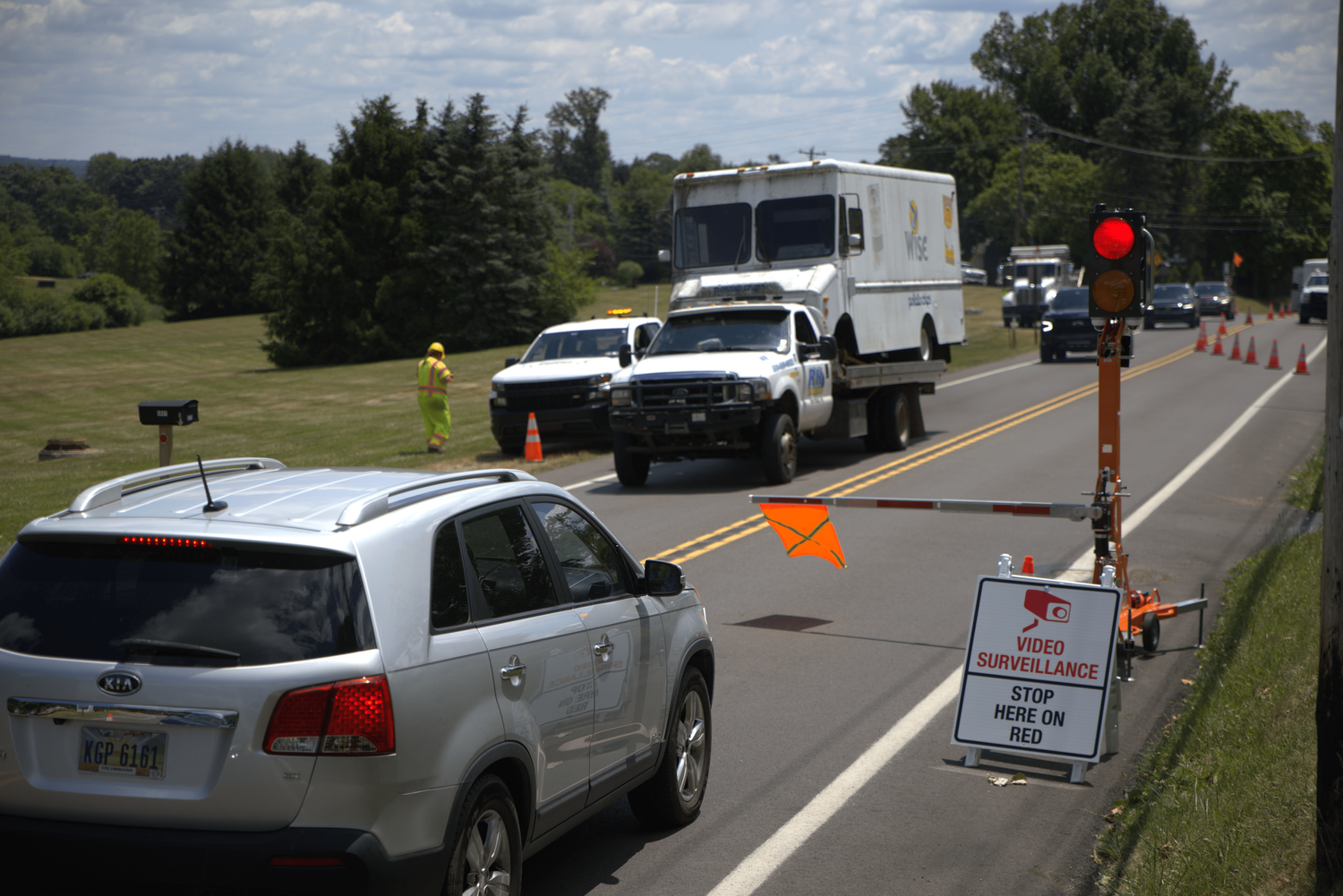
Drivers often have only a few seconds to recognize a work zone, understand changing road conditions, and respond safely. When traffic control equipment is missing, improperly placed, or inadequate, confusion can quickly lead to near misses, traffic delays, or collisions.
That's why choosing the right traffic control devices is critical from the start of any project. Whether you're managing a short-term utility repair, a highway lane closure, or a long-term construction project, every piece of equipment plays a specific role in keeping workers and motorists safe.
In 2024, 850 people were killed, and 42,094 people were injured in work zone crashes, underscoring the importance of using the right traffic control equipment to create safer work zones.
At Right Traffic, we understand the complexities of traffic management and specialize in designing temporary traffic control plans and providing equipment tailored to the unique needs of each project.
Why traffic control equipment matters
Every work zone presents unique challenges. A busy highway construction project requires a different setup than a neighborhood utility repair or municipal maintenance job. Selecting the right equipment helps you manage these conditions safely, efficiently, and with greater confidence.
Improving work zone safety
Clear guidance encourages drivers to slow down, stay alert, and react appropriately before reaching the work area. Well-planned traffic control reduces the chance of sudden lane changes and unexpected stops, helping protect both motorists and road crews.
Reducing driver confusion
Drivers make better decisions when traffic guidance is clear and easy to follow. Highly visible signs, channelizing devices, and warning systems provide consistent direction, reducing hesitation and unnecessary congestion.
Supporting smooth traffic flow
A well-organized work zone keeps vehicles moving safely through temporary lane shifts and closures. This minimizes delays while allowing contractors to complete projects with fewer disruptions.
Meeting MUTCD and local safety requirements
The Manual on Uniform Traffic Control Devices (MUTCD) establishes national standards for temporary traffic control. Following these guidelines helps create consistent traffic control practices, supports compliance, and creates safer conditions for everyone using the roadway.
Understanding the different types of traffic control equipment
Every traffic control device serves a specific purpose. Understanding when and where to use each one allows you to build an effective traffic control plan.
Portable message boards
Work zones often change throughout the day. Traffic control message boards provide programmable, real-time communication that can be updated as conditions change.
They are commonly used to:
Warn drivers of upcoming lane closures
Share detour information
Display reduced speed advisories
Notify motorists of changing road conditions
Message boards are especially valuable for long-term construction projects, emergency roadwork, and special events where advance notice improves driver awareness.
Arrow boards
Lane closures require immediate, unmistakable direction. Traffic control arrow boards use illuminated directional arrows or chevron patterns to indicate which lane drivers should follow.
Typically positioned ahead of lane closures on highways and higher-speed roadways, their bright displays help drivers recognize lane shifts earlier, giving them additional time to merge safely.
Traffic drums
Traffic drums provide highly visible channelization that separates vehicles from active work areas.
Their large reflective surfaces enhance visibility during both day and night, while weighted bases help keep them stable in changing weather conditions.
Compared with smaller channelizing devices, traffic control drums offer greater visibility and are commonly used on higher-speed roads and long-term projects.
Barricades
Traffic control barricades are used to close or restrict access to roadways, sidewalks, or active work zones. Depending on the application, Type I, Type II, and Type III barricades provide varying levels of visibility and road closure.
Barricades are often used alongside traffic drums, warning signs, and other traffic control devices to create a clear path for drivers. Together, these devices guide traffic safely through or around the work zone while reducing driver confusion.
How to choose the right traffic control equipment
There is no one-size-fits-all solution for every project. Selecting the right equipment starts with evaluating the conditions at your work site.
Consider the work zone environment
A quiet residential street and a six-lane interstate call for completely different approaches. Consider the lane count, shoulder width, and how close workers will be to moving traffic before deciding which devices to deploy.
Road speed and traffic volume
Higher speeds require earlier warning and more visible devices. A 65 mph highway typically requires longer taper lengths and larger, brighter signage than a 25 mph neighborhood road.
Project duration
A two-hour utility repair does not require the same setup as a six-month bridge rehabilitation project.
Short-term maintenance activities often use portable equipment that can be deployed quickly. Long-term construction projects may require more permanent layouts with multiple warning devices.
Daytime versus nighttime visibility
Low-light conditions demand additional attention. Reflective materials, lighting, and illuminated devices improve visibility during nighttime operations and in poor weather.
Best practices for deploying traffic control equipment
Even the best equipment performs poorly if it is installed incorrectly. Careful planning and routine monitoring help maintain safe work zones.
Proper spacing and positioning
Follow MUTCD spacing guidelines based on roadway speed and work zone design. Drivers need enough distance to recognize hazards and react safely.
Routine inspections
Traffic conditions, weather, and daily operations can shift equipment over time. Regular inspections help crews identify damaged devices, reposition equipment, and maintain proper visibility.
Maintaining visibility and stability
Dirty reflective surfaces, damaged components, or equipment that has been knocked out of position can reduce effectiveness. Keeping devices clean and properly secured helps ensure they perform as intended throughout the project.
Combining multiple devices for maximum effectiveness
Many work zones benefit from using several traffic control devices together. For example, a portable message board can provide advance warning while traffic drums guide vehicles through a lane shift and barricades restrict access to closed areas.
Worker training and safety planning
Even well-designed traffic control plans depend on proper implementation. Training crews to deploy, inspect, and maintain equipment consistently helps reduce risk and supports safer day-to-day operations.
How Right Traffic supports safer traffic control operations
Every project requires a different approach to traffic control management. Whether you're managing a highway construction project, utility maintenance, municipal improvements, or special event traffic, selecting the right equipment helps you create safer work zones from the start.
Right Traffic offers a comprehensive selection of professional traffic safety solutions designed for temporary traffic control applications. With durable equipment, advanced technology, dependable performance, and industry expertise, contractors can confidently select products that support safer operations while helping meet applicable roadway requirements.
Frequently asked questions
When do you need a message board vs. an arrow board?
A message board is best when drivers need advance notice of lane closures, delays, detours, or changing road conditions. An arrow board is used when traffic must merge or move around a lane closure. Many projects use both devices together to improve driver awareness.
Are traffic drums better than traffic cones?
It depends on the project. Traffic drums are larger and provide greater visibility, making them well suited for higher-speed roadways. Traffic cones may be appropriate for lower-speed roads or short-duration work where rapid deployment is important.
How often should traffic control devices be inspected?
Equipment should be inspected before deployment, throughout the workday, after severe weather, and whenever traffic conditions change. Regular inspections help maintain visibility and proper positioning.
Do all work zones require barricades?
No. Barricades are typically used when access must be restricted or an area needs to be closed. The appropriate device depends on the work zone design and the applicable traffic control plan.
How do weather conditions affect temporary traffic control?
Rain, fog, high winds, and reduced visibility can affect driver reaction time and work zone safety. Additional warning devices, reflective materials, or equipment adjustments may be necessary during adverse weather.
Can different traffic control devices be used together?
Yes. Combining multiple traffic control devices often creates a clearer, safer work zone. Each piece of equipment serves a specific purpose, helping provide advance warning, guide traffic, and improve visibility throughout the work zone.
