
Managing risks with highway construction traffic control solutions
Highway construction sites are constantly changing. A lane may be open one day and closed the next. Traffic patterns can shift as work moves into a new phase, and construction vehicles may need to enter and exit the work area throughout the day. For drivers, these changes can come as a surprise, and for crews, they can increase exposure to moving traffic.
Effective highway construction traffic control starts with understanding these risks and planning for how they may evolve as work progresses. The right combination of planning, traffic control equipment, trained personnel, and technology can help contractors keep traffic moving while creating a safer environment for workers.
What can make highway work zones more challenging?
Highway work zones bring construction activity and live traffic into close proximity, creating several potential points of conflict. Lane reductions can slow traffic and lead to congestion, while temporary lane shifts may require drivers to react to unfamiliar conditions on roads they know well.
Additional challenges can arise around ramps, intersections, work-zone entrances, narrow shoulders, and areas where workers or equipment operate close to active lanes. These risks can become more difficult to manage when traffic volumes are high, especially during peak travel periods.
Identifying these conditions before work begins helps project teams understand where problems are most likely to occur. From there, they can determine where additional controls may be needed and plan how traffic should move through each part of the work zone.
How to manage traffic risks throughout the project
Traffic control is not something that can simply be set up at the beginning of a project and left unchanged. As construction moves forward, traffic patterns, work activities, and site conditions can all change. Traffic control needs to keep pace with those changes.
Assess conditions before construction begins
Before work starts, consider traffic volume, vehicle speeds, lane configuration, ramps, intersections, sight distance, and available space. Also identify areas where workers and equipment will operate close to live traffic.
This initial assessment helps the project team identify potential problem areas and determine what traffic controls may be needed.
Plan for each phase of construction
Highway projects often involve several construction stages, and each may require a different traffic arrangement. Shoulder closures, lane shifts, and temporary lane closures can all create different challenges for drivers and crews.
Planning these changes in advance helps ensure that signs, channelizing devices, flaggers, and other controls remain appropriate as work progresses. It also gives field crews a clear understanding of how traffic should move during each stage.
Guide drivers safely through changing traffic patterns
Drivers need clear, timely information when approaching a work zone. The traffic control setup should give motorists enough time to recognize upcoming changes and understand how they should move through the area.
Traffic guidance should remain clear and consistent throughout the project. As construction progresses and traffic patterns change, review the setup to ensure it reflects the current roadway configuration and applicable MUTCD requirements.
Manage lane closures and traffic queues
Lane closures can quickly affect traffic flow, especially during peak travel periods. As vehicles merge into fewer lanes, queues can form and extend beyond the immediate work area.
Monitoring conditions can help crews spot developing congestion, unusual driver behavior, or other issues that may affect the work zone. When conditions no longer match what was expected, the traffic control setup may need to be reviewed and adjusted.
Reduce worker exposure to live traffic
The closer workers are to active traffic, the more important it becomes to carefully plan how work will be carried out. Project teams should consider where crews will be positioned, how they will enter and leave the work area, and which tasks bring them closest to moving vehicles.
Traffic speed, roadway width, available space, and the length of time workers will be exposed should also be considered. Together, these factors can help teams determine where greater separation, different work methods, or additional precautions may be needed.
Traffic control solutions for managing work-zone risks
Once you've identified potential risks and established the traffic control approach, the next step is selecting equipment and technology suited to the work zone. There is no single setup that works for every highway work zone. The right combination depends on the roadway, traffic conditions, project duration, and type of construction taking place.
Equipment for managing traffic and protecting work areas
Different types of equipment can address specific risks within a highway work zone:
Traffic cones and drums: Help define travel paths and create visible separation between moving traffic and work areas.
Barricades: Mark closed or restricted areas and help prevent vehicles from entering spaces not intended for traffic.
Signs: Provide advance notice of upcoming changes and help drivers understand what to expect as they approach the work zone.
Arrow boards and message boards: Provide additional guidance when lanes close or traffic patterns change.
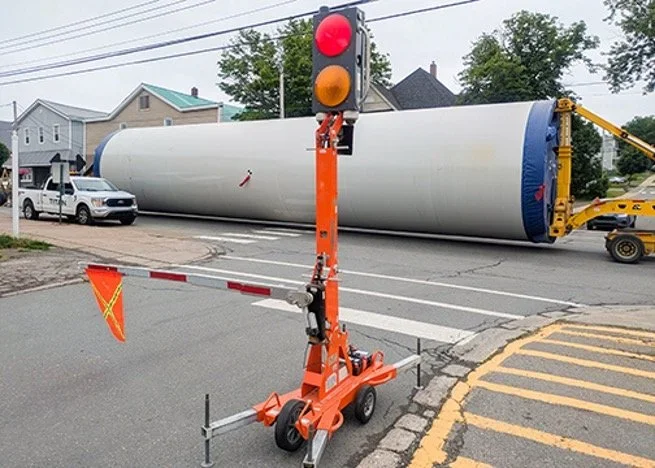
Portable traffic signals: Help manage vehicle movements when temporary traffic control is needed within a work zone.
Truck-mounted attenuators: Provide impact protection in appropriate applications, particularly where crews work close to high-speed traffic.
Technology for improving work-zone awareness
Technology can add another layer of awareness in areas where workers are operating near moving vehicles.
Automated flagging technology, such as the Guardian SmartFlagger, can help manage traffic flow while reducing the need for a worker to stand directly in a hazardous roadside position. Its sensors, signaling, and remote-control capabilities support flagging operations and help crews manage traffic from a safer position.
Vehicle detection technology can also alert workers to approaching vehicles. The Guardian Cone Pro is designed to provide additional warning of potential vehicle intrusions, giving crews greater awareness and more time to respond to approaching traffic.
These technologies are designed to work alongside established traffic control practices, not replace proper planning, appropriate equipment, or trained personnel.
When professional traffic control services can help
Some highway projects involve high traffic volumes, complicated lane shifts, long work zones, or multiple construction phases that place greater demands on project teams. In these situations, professional traffic control services can help coordinate planning, field operations, equipment, and changing roadway requirements throughout the project.
The amount of support needed will vary from project to project. Roadway conditions, traffic patterns, construction activities, available resources, and operational requirements should all factor into that decision.
Building a safer approach to highway construction
Effective traffic management requires planning, communication, monitoring, and coordination throughout the project. From the initial risk assessment through the final construction phase, each decision can affect how drivers and workers interact with the work zone.
The right approach depends on the project's traffic conditions, roadway layout, construction activities, and operational needs. Right Traffic provides practical traffic control solutions that help construction and infrastructure teams manage complex work zones with the right combination of personnel, equipment, and technology.
Frequently asked questions
What are the most common traffic control devices for highway work zones?
Common devices include warning signs, channelizing devices, arrow boards, temporary barriers, traffic signals, and equipment used by flaggers to direct roadway users.
How do traffic control solutions improve highway construction safety?
They provide clearer traffic guidance, separate vehicles from work areas, improve visibility, and help crews manage changing roadway conditions throughout construction.
When should traffic control planning begin for a highway construction project?
Planning should begin before construction so teams can identify risks, establish traffic patterns, select appropriate devices, and coordinate traffic control measures before work begins.
How can technology support traffic management in highway work zones?
Technology can provide real-time visibility, improve communication, monitor changing conditions, and help supervisors coordinate responses as traffic patterns or site conditions change.
What should contractors consider when selecting traffic control solutions?
Contractors should consider traffic volume, roadway design, project duration, construction phases, worker exposure, local requirements, equipment needs, and the level of ongoing support required.
